“Sparkle” @ Museum DIORAMA
A subtle metamorphosis of light: silence in motion
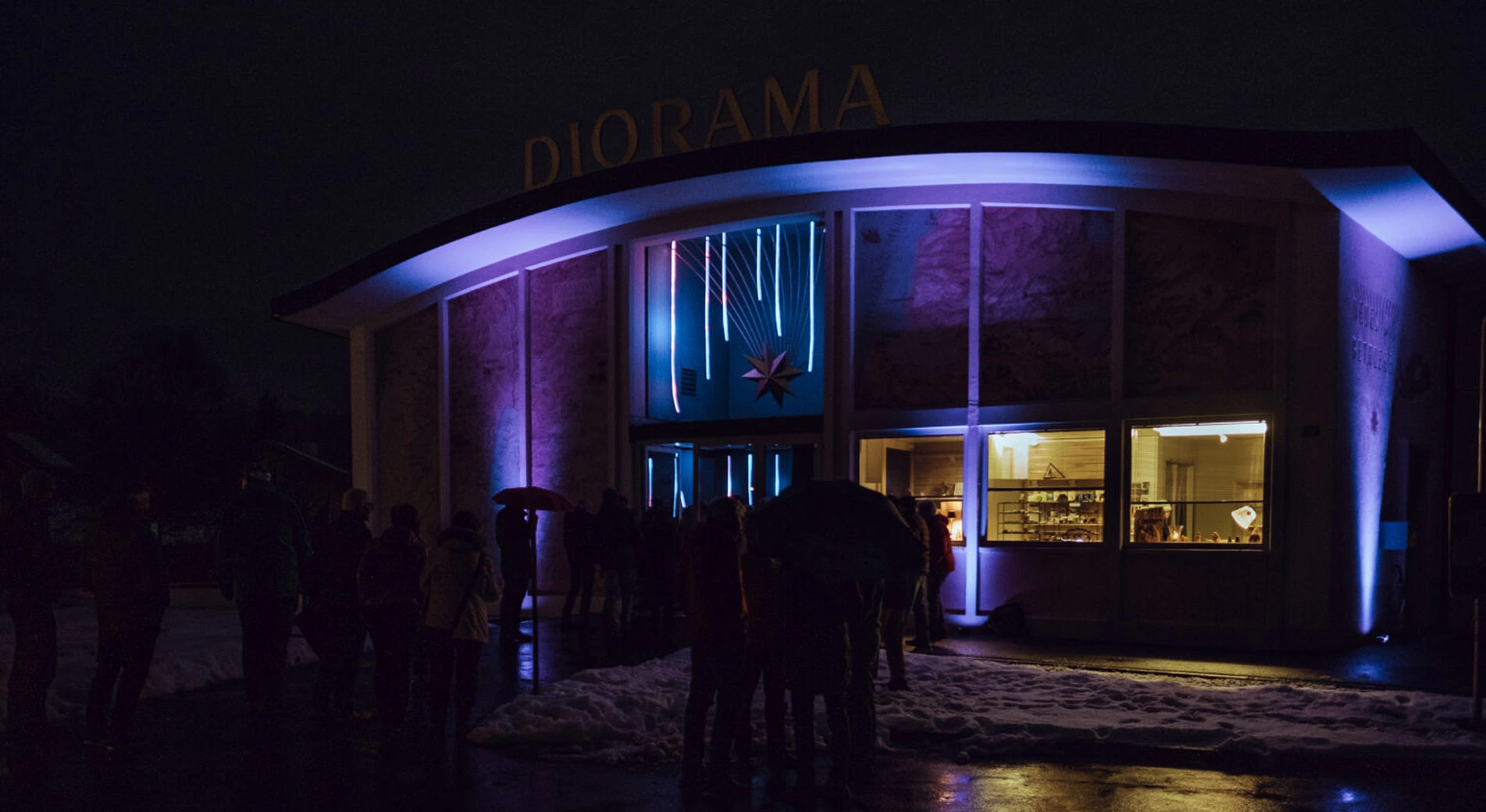
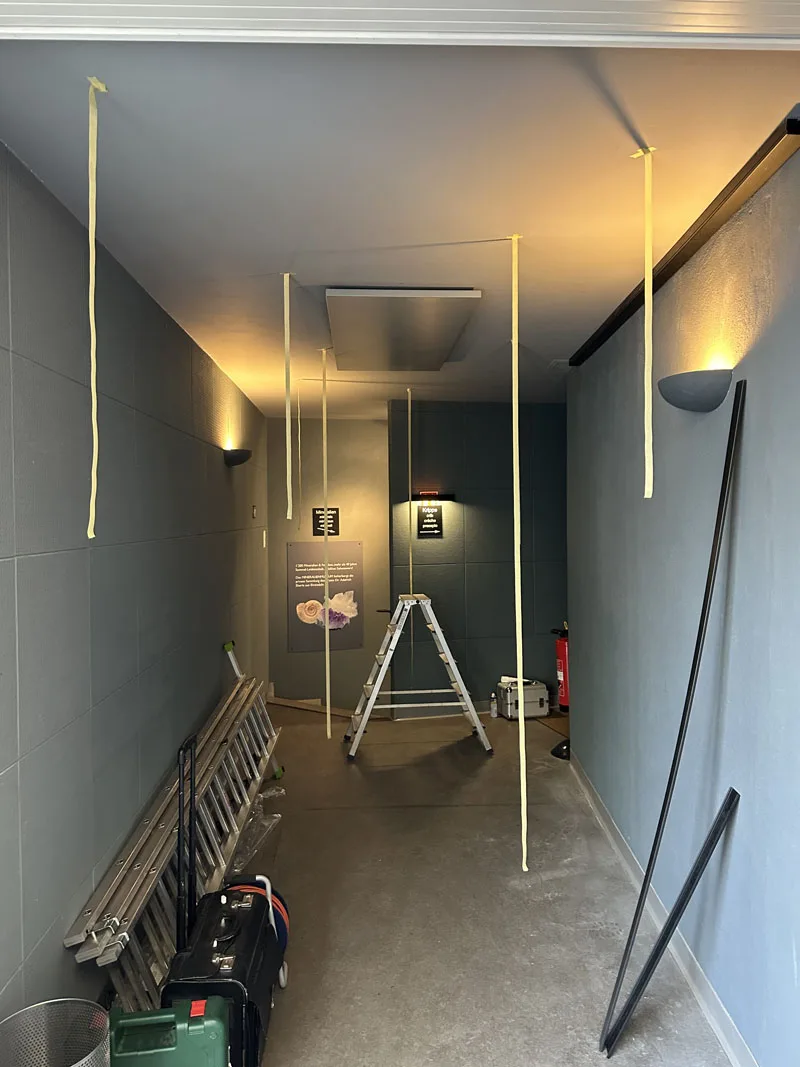
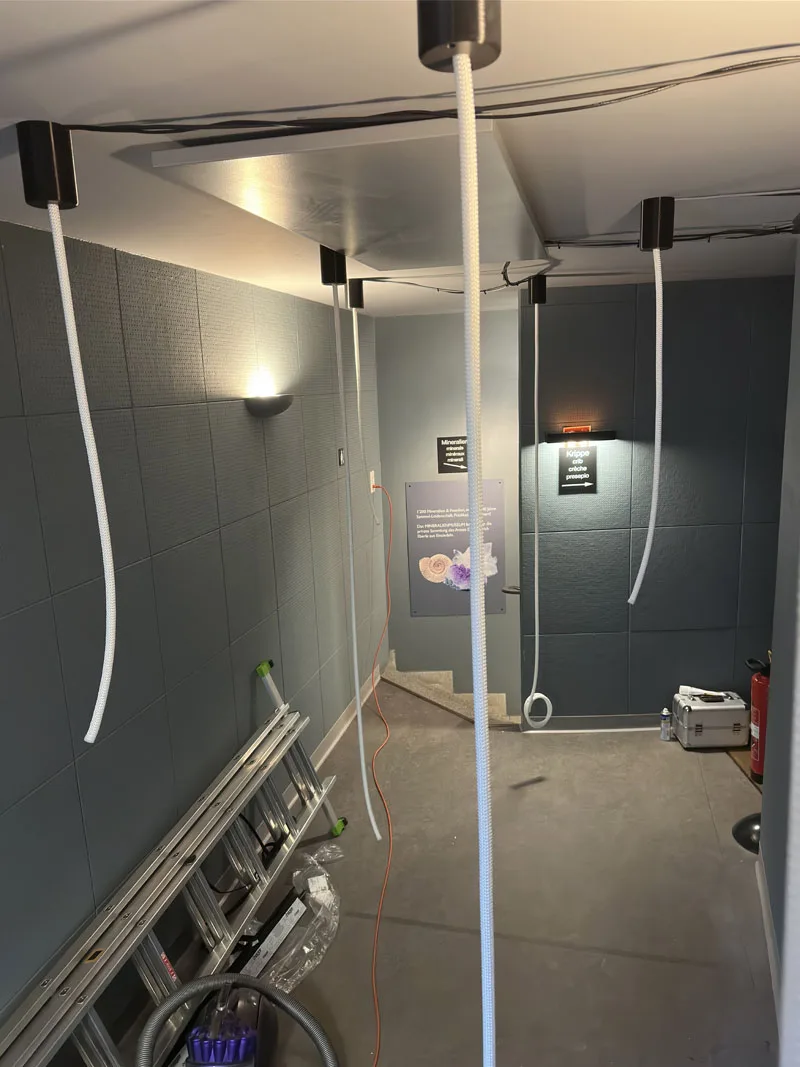
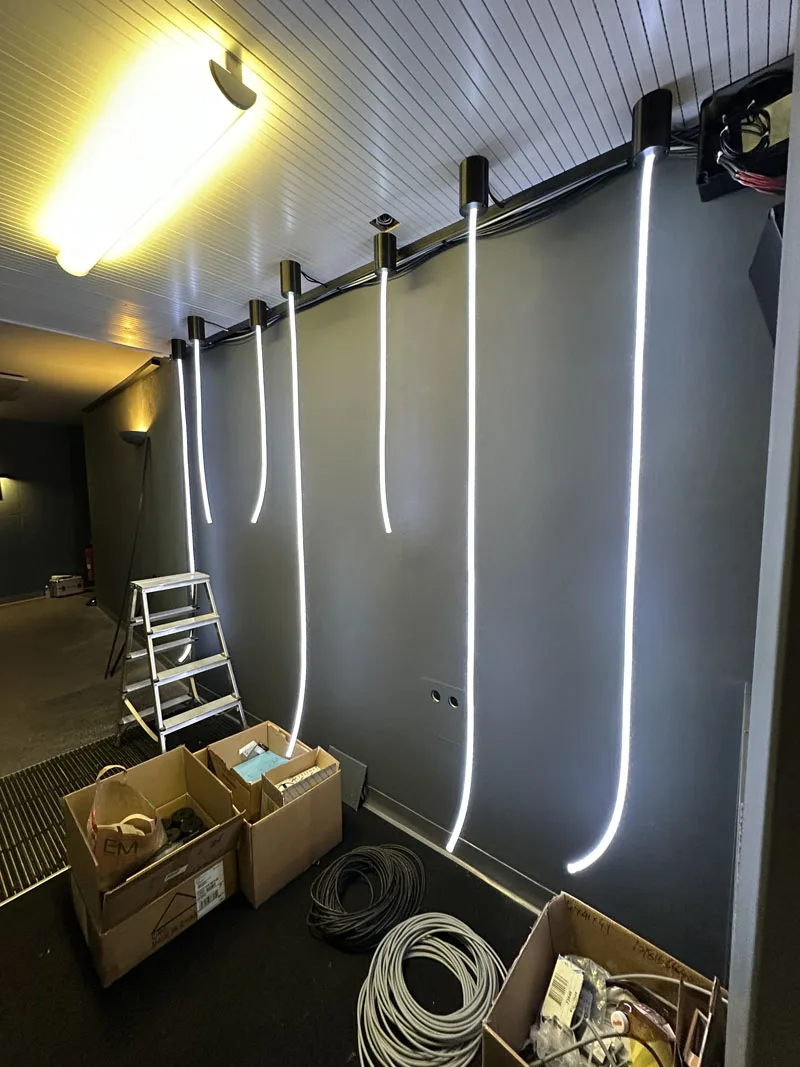
Delicately woven lines of light, seemingly weightless and suspended from the ceiling like shimmering icicles, draw abstract inspiration from nature’s imagery.
Featuring subtle transitions between cool blues and warm glows, studio.tschümperlin's "Sparkle" installation explores fascinating contrasts: the duality of stillness and motion, the fleeting beauty of the moment, and the profound power of light.
| Client | Museum DIORAMA Einsiedeln |
|---|---|
| Type | Institution / arts and culture |
| Location | Einsiedeln, Switzerland |
| Products | ELM (ENTTEC LED MAPPER) 2026, S-PLAY LITE, PIXELATOR MINI, PLink Injector |
| Year | 2024 |
| Project credits | Creative engineer: Fritz Tschümperlin Lighting equipment: ENTTEC Equipment provider: Menzi Ebz AG |
Museum DIORAMA in Einsiedeln, Switzerland, is a fascinating and curious little place centred around two wildly different exhibits.
One is a spectacular 80sqm Biblical diorama featuring 450 figures depicting Bethlehem as it was some 2000 years ago. The other is the astonishing assemblage of 1200 crystalline rocks gathered by local mineral collector Dr. Adelrich Eberle.
With Bethlehem being famous for its Christmas star, and gemstones known for their ethereal sparkle, it's not surprising that light plays such an important role in this museum.
It's fitting then that award-winning Zurich-based artist and lighting designer Fritz Tschümperlin (of the eponymous studio.tschümperlin) was commissioned by the museum to create a new installation entitled "Sparkle" to enhance the space.
Solution
Powered by ELM (ENTTEC LED mapping software), S-Play Lite, Pixelator Mini and PLink injectors
Lit up with RGB LED pixels
Fritz chose to use the ENTTEC Pixelator system to bring his work to life.
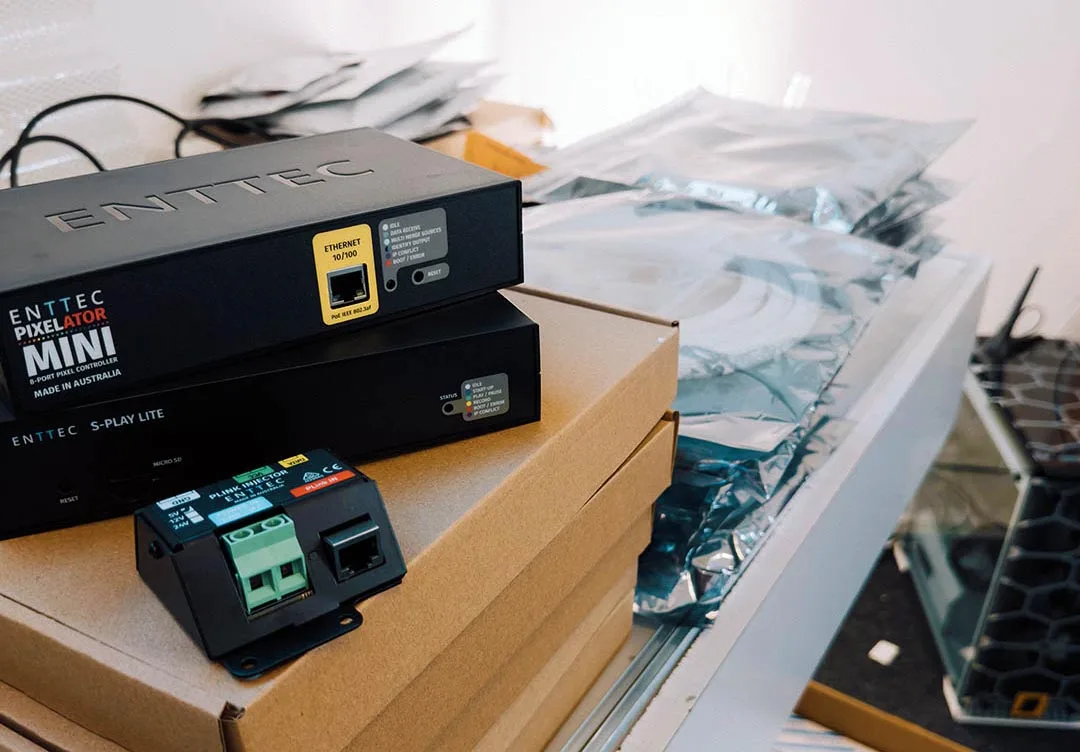
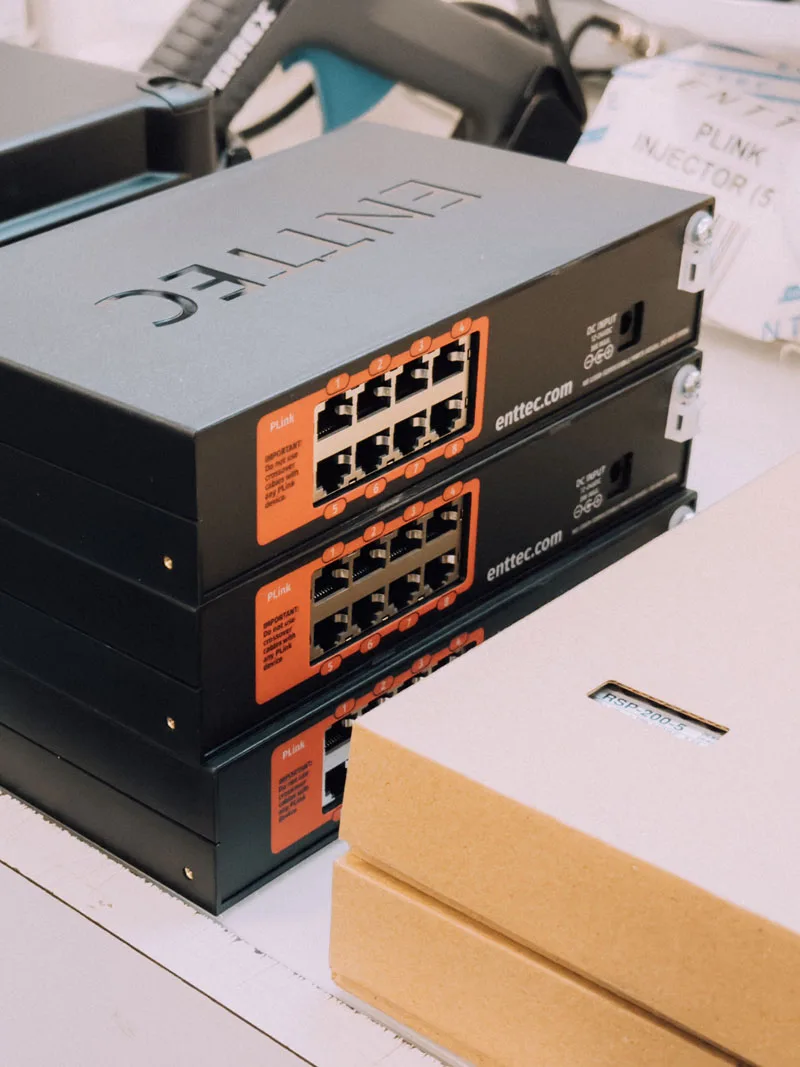
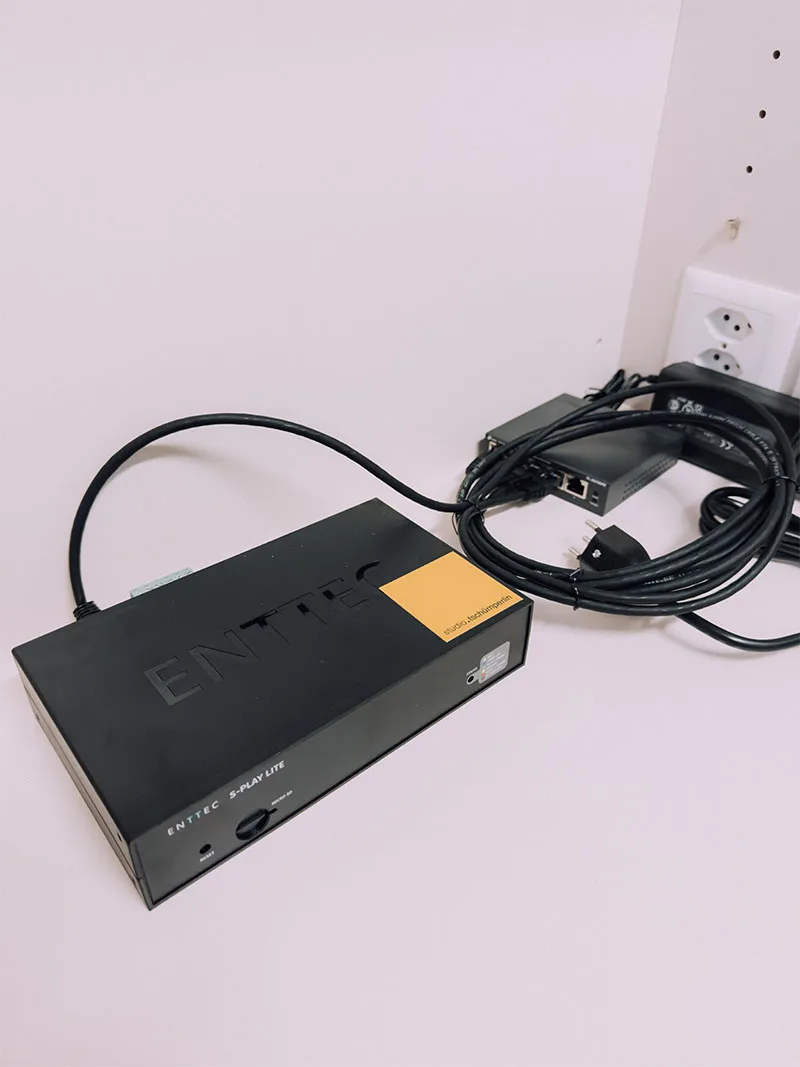
Designed and mapped using ELM (ENTTEC LED Mapper) software, the show was then transferred on to an S-PLAY LITE show recorder. The S-PLAY is configured to be triggered by the daily routine of the museum, though museum staff can also activate sequences on demand using a manual button. The S-PLAY LITE feeds the resultant DMX scenes and playlists into three PIXELATOR MINI units.
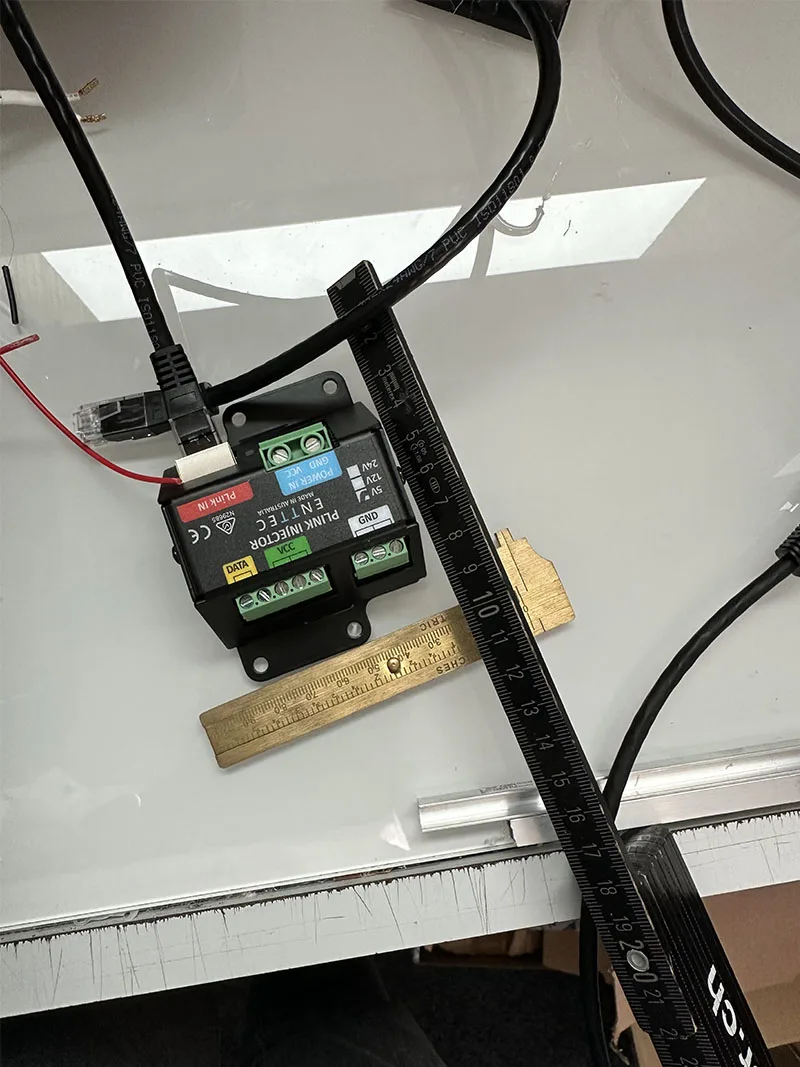
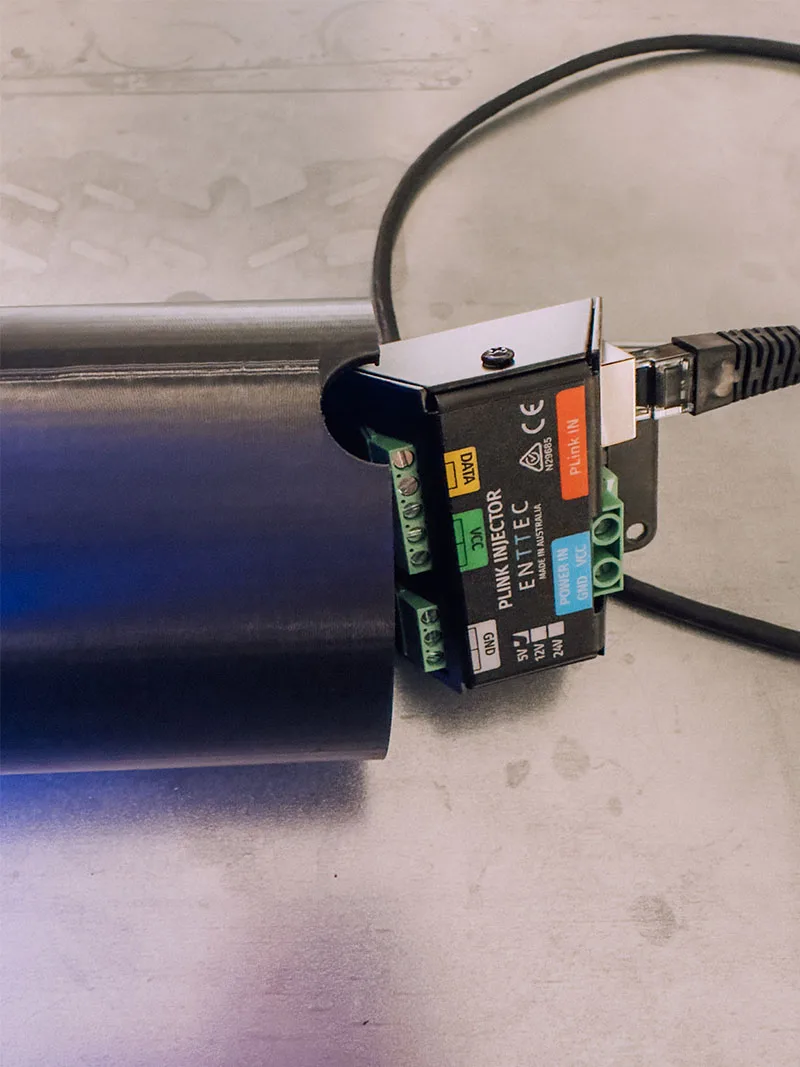
These smart devices then convert the DMX received into PLink protocol, distributing it at lightning-fast speeds to a series of 22 PLink Injectors which convert the data into SPI LED pixel protocol that can be understood by the multitude of pixel strip fixtures.
These 22 dangling LED light ropes span a combined length of 33 metres and contain 1650 LED pixels across 16 DMX universes.
We spoke with Fritz about his project ...
ENTTEC: What made you choose a Pixelator system in this case?
Fritz: "After Museum DIORAMA approved the concept, I looked for an easy way to connect multiple pixel-LED strips with a dead end, in this case, light ropes, to a controller without worrying about voltage drop or loss of the data signal.
I thought the PLink injectors would be a good solution to achieve this. After a short email exchange with Menzi Ebz, our local dealer of ENTTEC products, they confirmed that this was indeed the way to go. So, I got all the components from them. They have great service, by the way!"
ENTTEC: How did you find the installation process?
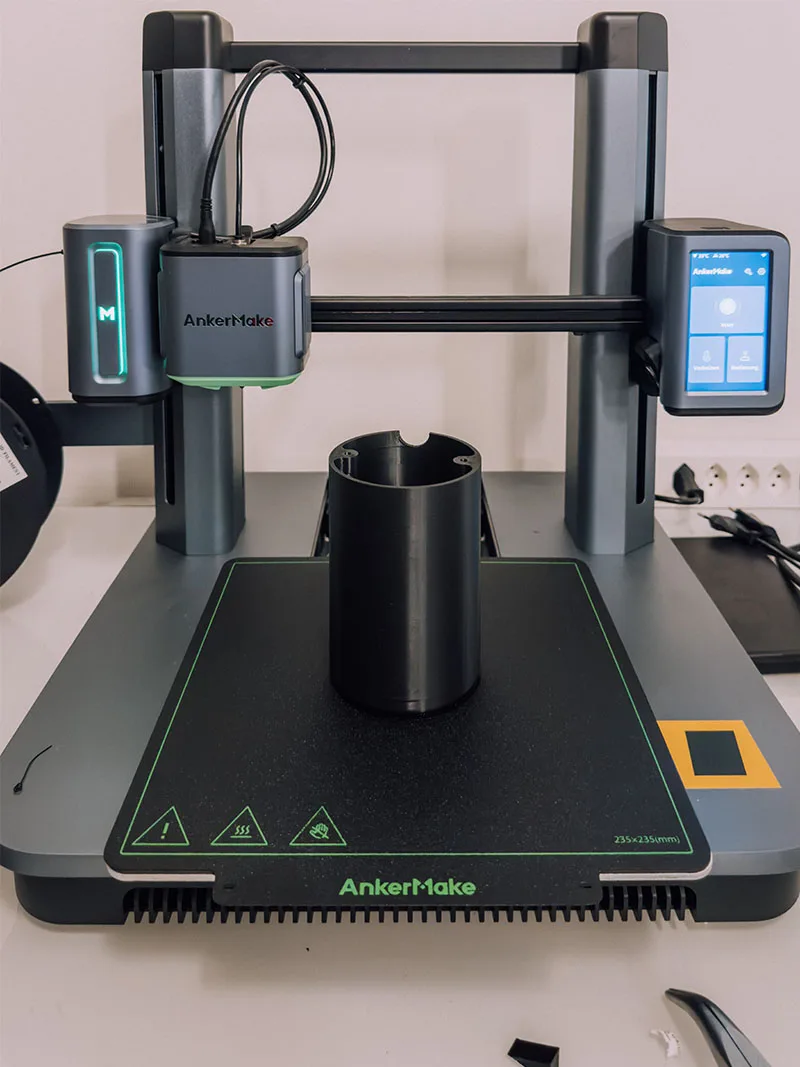
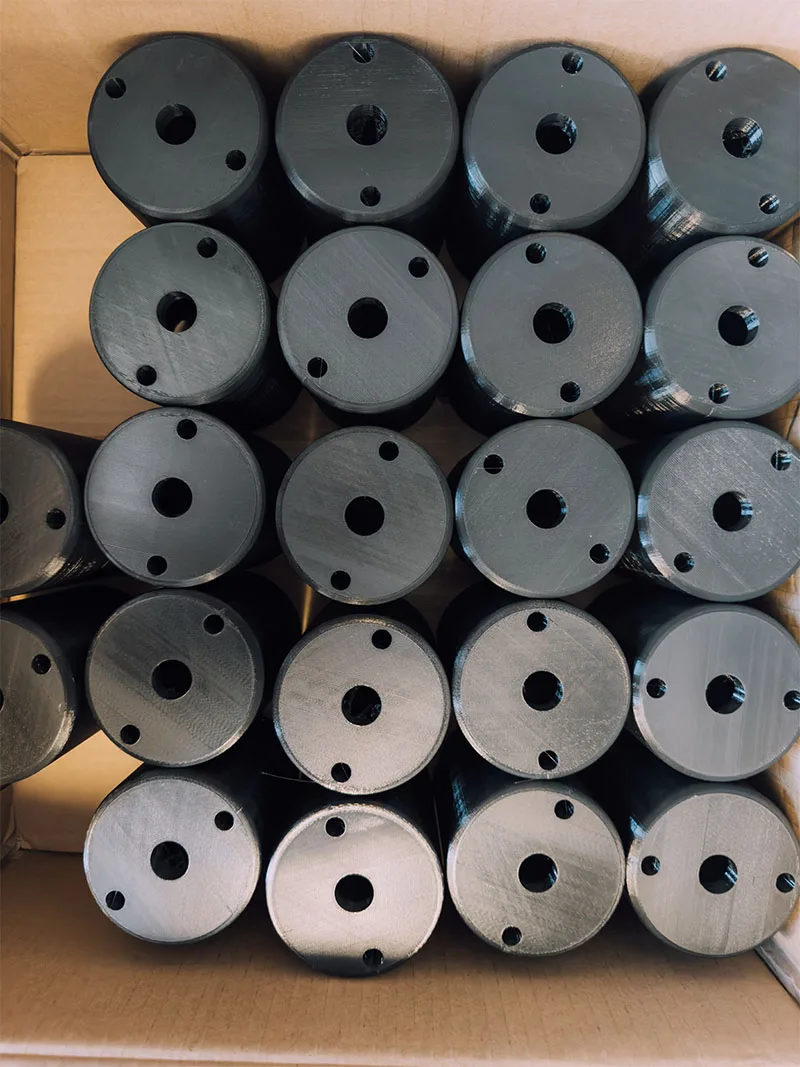
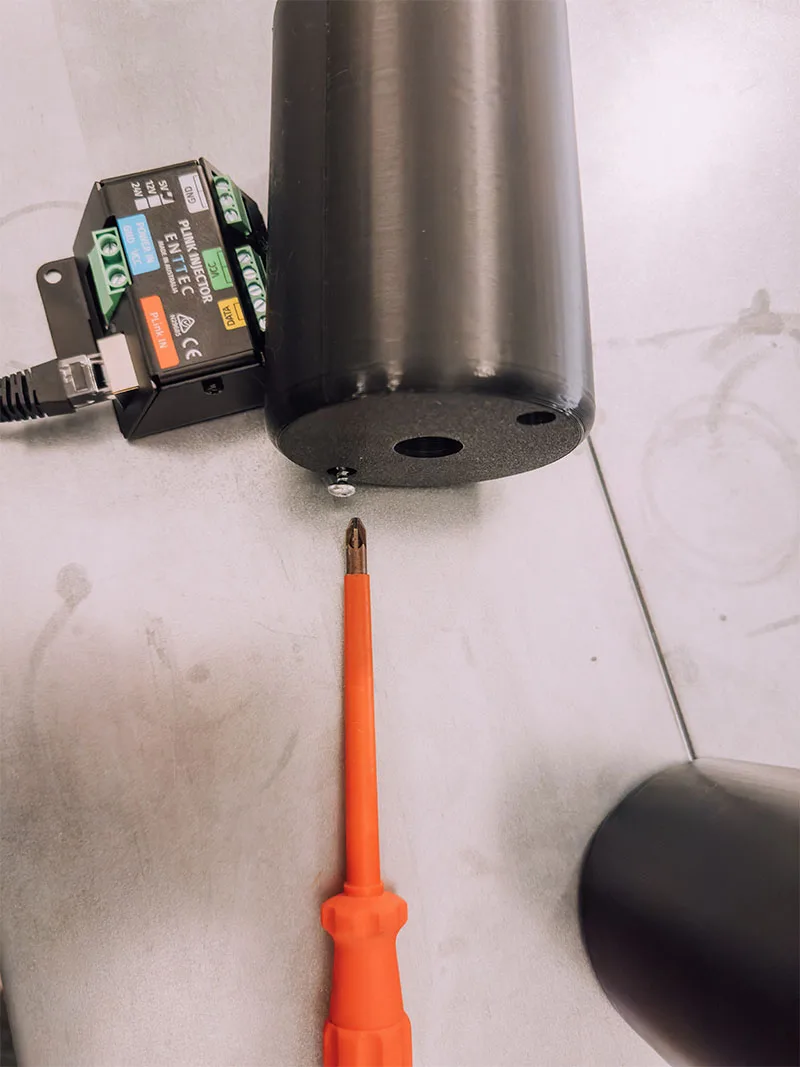
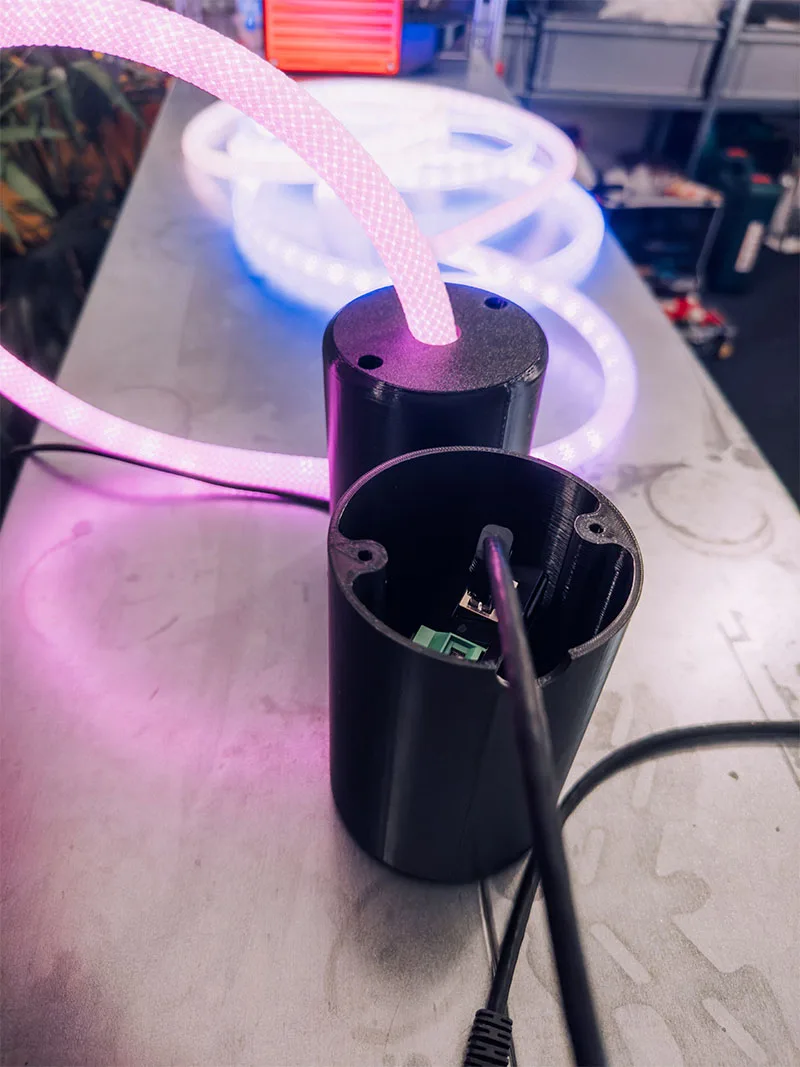
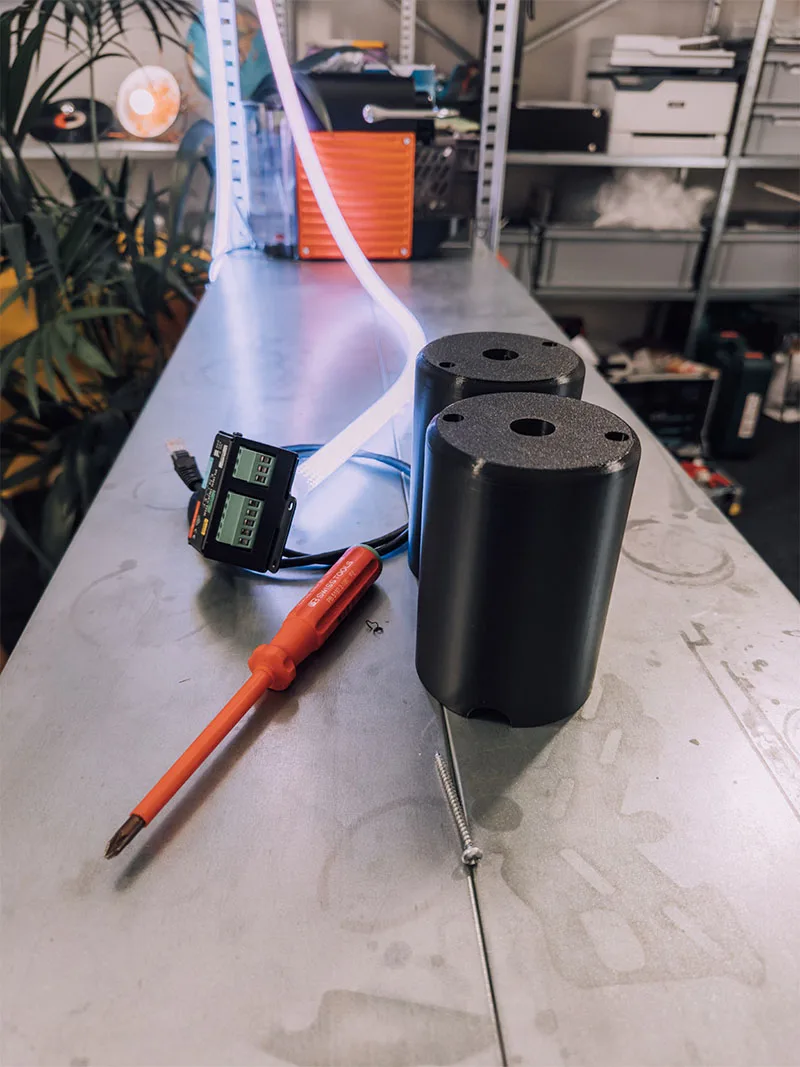
Fritz: "I 3D-printed a mounting system for the light ropes in a canopy shape so that the PLinks fit inside and everything remains hidden. The box with the Pixelator Mini and the power sources are mounted in three different locations on the wall. The onsite electrician even provided network links, so all I had to do was plug in the network and power cables for each box.
The setup process was very easy, almost entirely plug-and-play. Before the devices arrived, I watched a bunch of online ENTTEC tutorials, so I already had a good idea of how to set things up. Configuring the Art-Net and pixel patching was super simple.
The installation itself was just as easy. Plugging in the RJ45 patch cables, connecting the LEDs, and attaching the 5V power source, that’s it!"
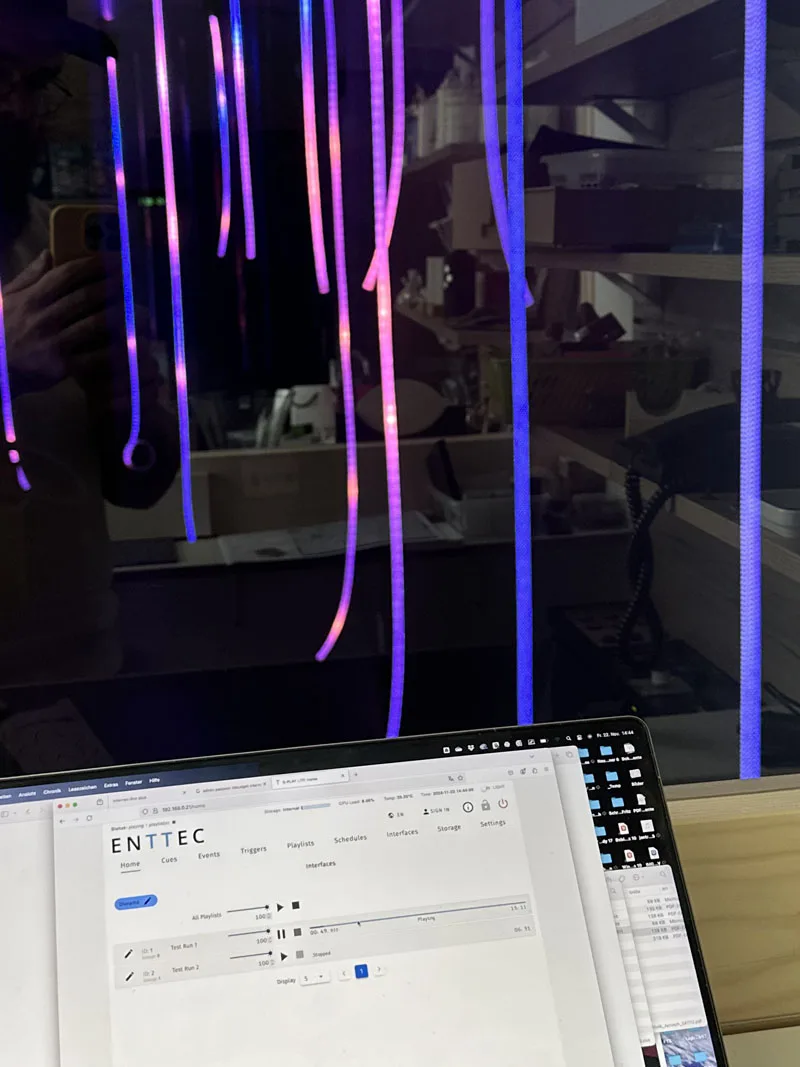

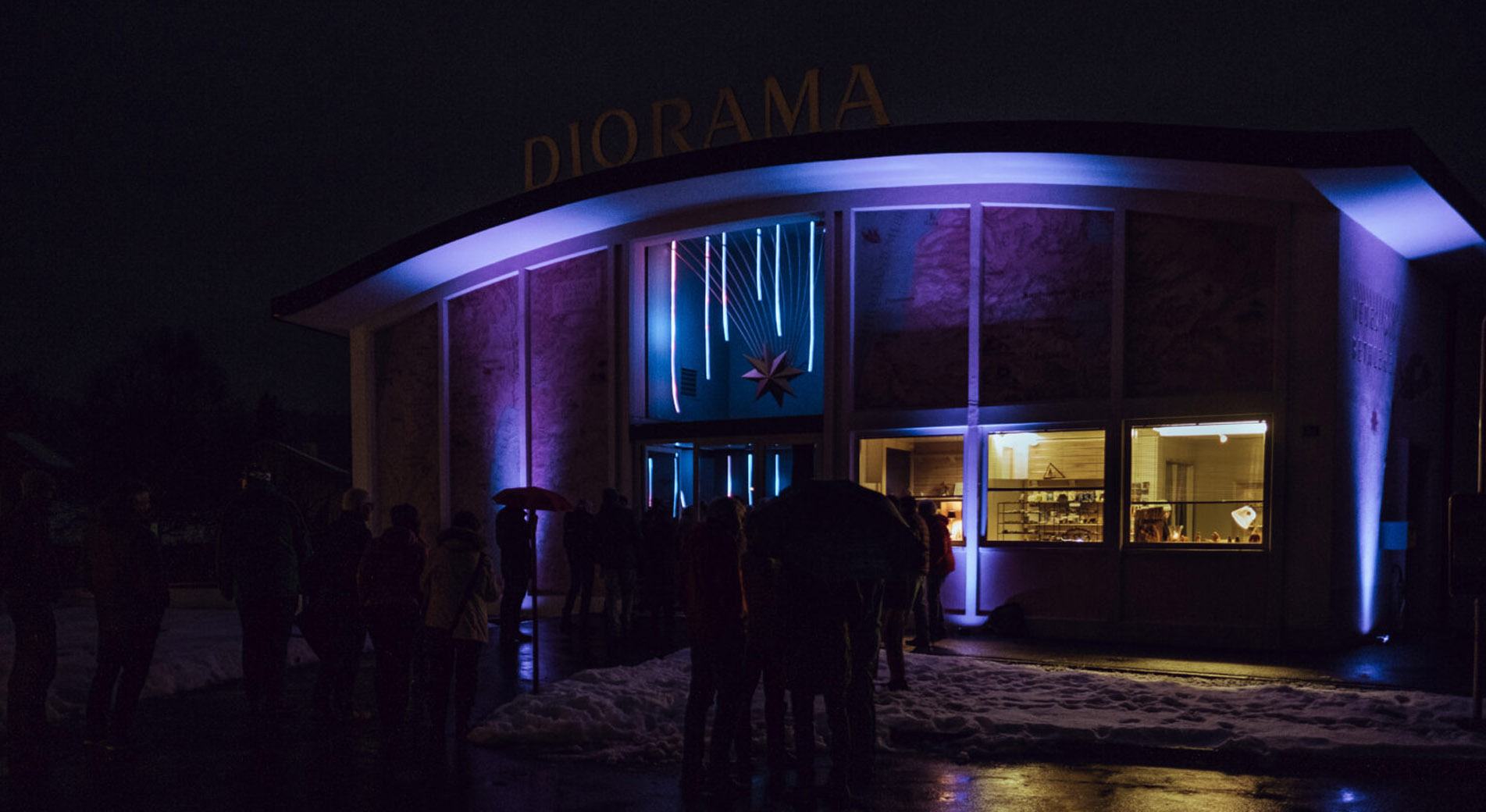
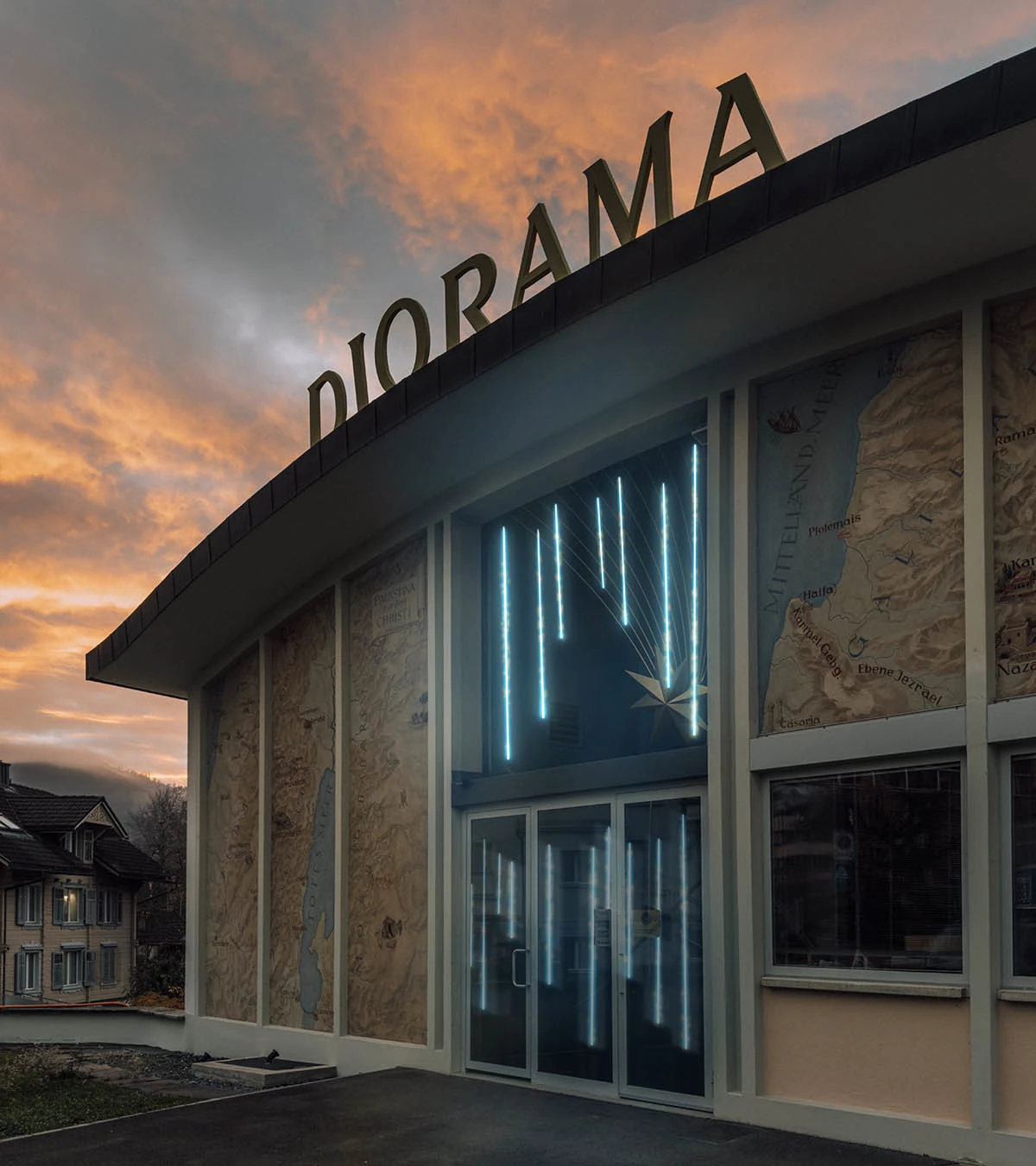

With the ELM software and the 3D mapping, I was able to divide the layout into five different layers, adding more depth to the mapping, which looks amazing in the room. I’ll definitely be using ENTTEC products again!
Related products
Explore products used
ELM (ENTTEC LED MAPPER) 2026
SKU: 70581
ELM (ENTTEC LED Mapper) is pixel mapping software that turns any LED install into one show you control.
View product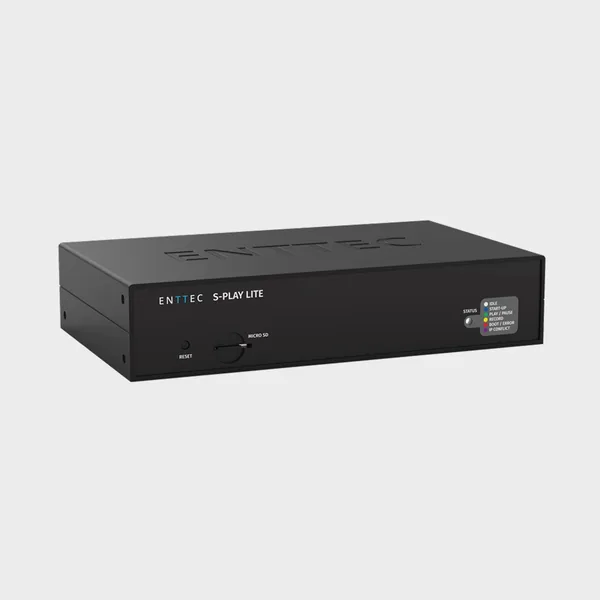
S-PLAY LITE
SKU: 70094
Engineered for projects that require precise automation, the S-PLAY LITE smart light show controller is your all-in-one solution for the recording, triggering, and activation of not only light shows but video, non-lighting events, and much more.
View product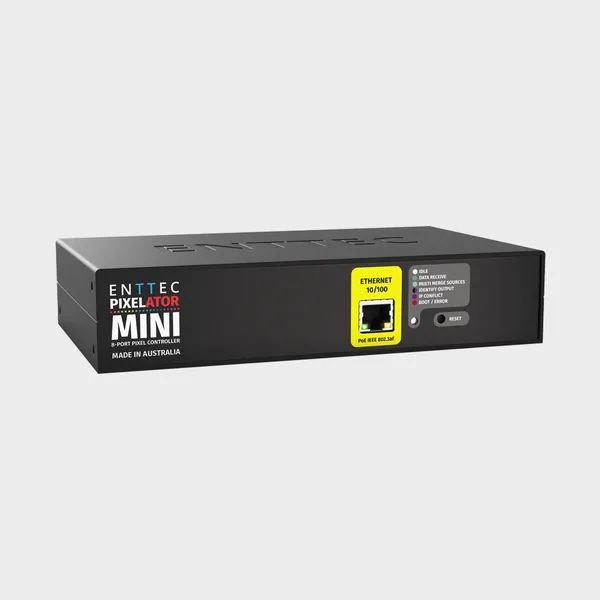
PIXELATOR MINI
SKU: 70067
A smart, cost-effective lighting control solution, the PIXELATOR MINI is a compact rack, surface & DIN-rail mountable, eDMX to LED pixel protocol converter capable of outputting up to 32 universes of data.
View product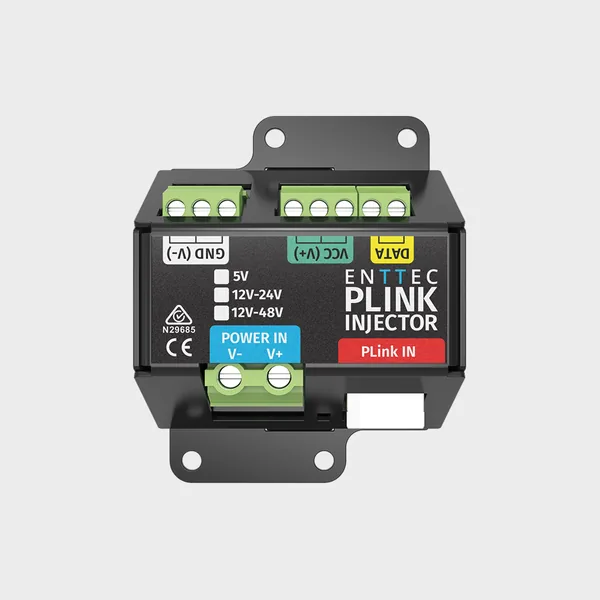
PLink Injector
SKU: 73-545
The ENTTEC PLink Injector is engineered to work seamlessly with the Pixelator family, enabling long-distance data transmission and reliable control of LED pixel fixtures across large-scale installations. Available in three voltage variants, the PLink Injector gives you the flexibility to match your system to virtually any professional pixel fixture: from low-voltage strips to high-voltage architectural lighting.
View product