



HD108 Pixel Protocol
A two-wire clocked RGB pixel offering 16-bit-per-channel colour and a 27 kHz PWM rate, aimed at high-speed camera work and fine low-end gradients.
Specifications
| Specification | Detail |
|---|---|
| Clock Type | Clocked |
| Color Resolution | 16 Bits |
| Physical Package | SMD5050 with integrated LEDs |
| RGB | Yes |
| RGBW | No |
| Output Pixel Voltage | 5V |
| PWM Rate | 27,000Hz |
| Suitable Camera | Up to 900fps |
| Redundant Data Line | No |
Strengths
- 16-bit-per-channel colour depth (65,536 levels versus the 8-bit, 256-level output of typical pixels) resolves very fine steps at the bottom of the dimming curve, so slow fades and dark gradients stay smooth instead of banding.
- The separate clock line decouples refresh timing from the incoming data rate, giving good timing tolerance, and the 27 kHz PWM is high enough to read as flicker-free on high-speed cameras rated to 900fps for broadcast and film work.
- Standard 5V RGB pixel in a common SMD5050 footprint with the driver integrated into each LED, so it drops into conventional strip and dot layouts.
Limitations
- Being clocked is a real tradeoff, not a free advantage: the second (clock) conductor adds wiring and cost and another point of failure, and a high-frequency clock line radiates EMI that can interfere in sensitive installations. The genuine timing-tolerance benefit comes at that price, and the wider market is trending toward data-only single-wire chips to avoid both. With no redundant data line, one break also drops every pixel downstream.
- The 27 kHz PWM and 16-bit depth are useful but subject to normal engineering limits: usable bit depth can fall as refresh climbs, and 5V operation constrains run length before voltage drop forces re-injection. Beyond a sensible camera-safe margin (already met here for up to 900fps), higher headline numbers add little practical benefit.
Overview
HD108 is a clocked, individually addressable RGB pixel that carries data and a separate clock on two wires, placing it in the APA102/SK9822 family rather than the single-wire WS2812 group. Its defining feature is 16-bit-per-channel colour (65,536 levels), a large step up from the usual 8-bit depth, which smooths low-intensity fades and gradients. Each pixel runs at 5V, ships in a standard SMD5050 package with integrated LEDs, and drives a 27 kHz PWM rate that stays comfortably flicker-free for high-speed camera capture up to 900fps. It has no redundant data line.
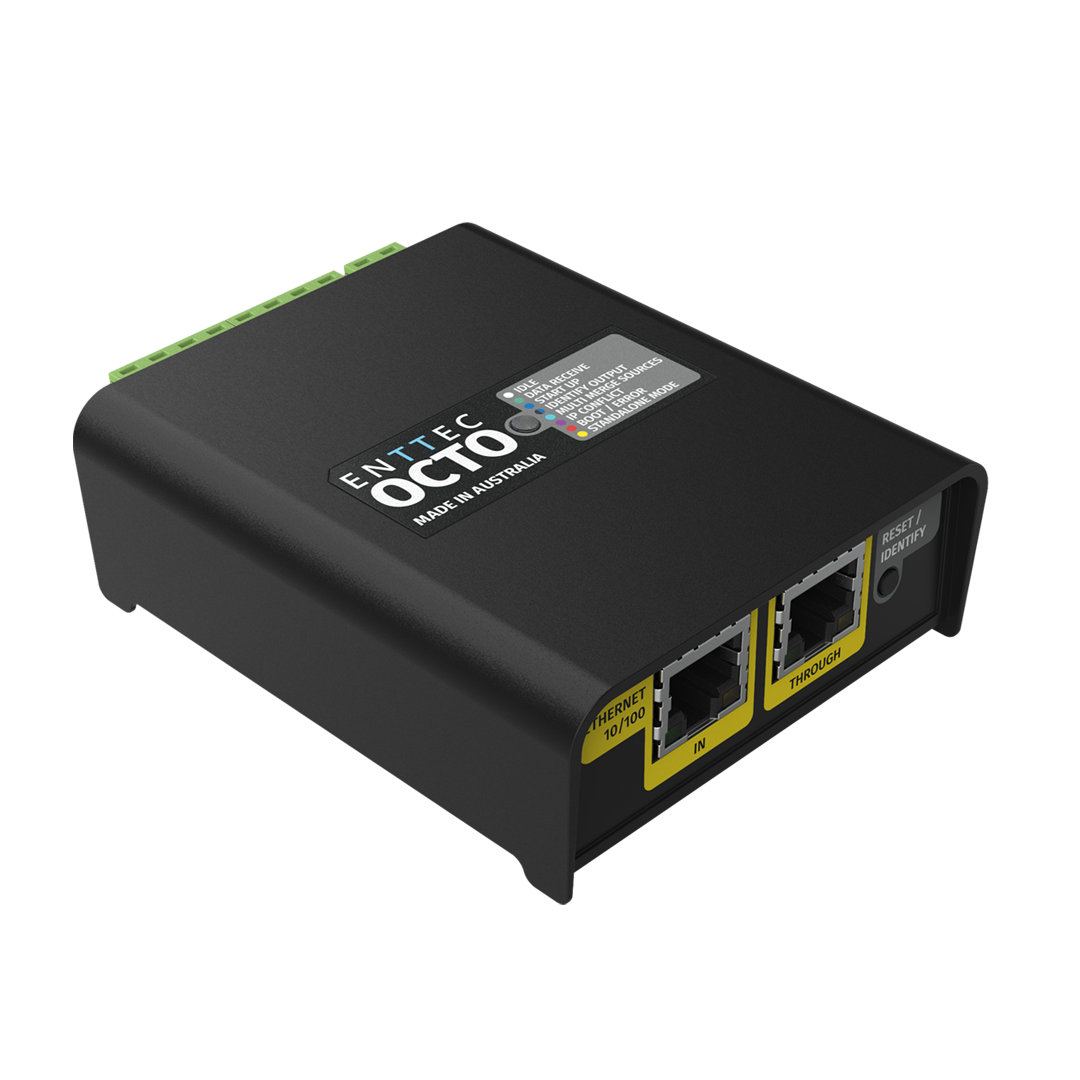
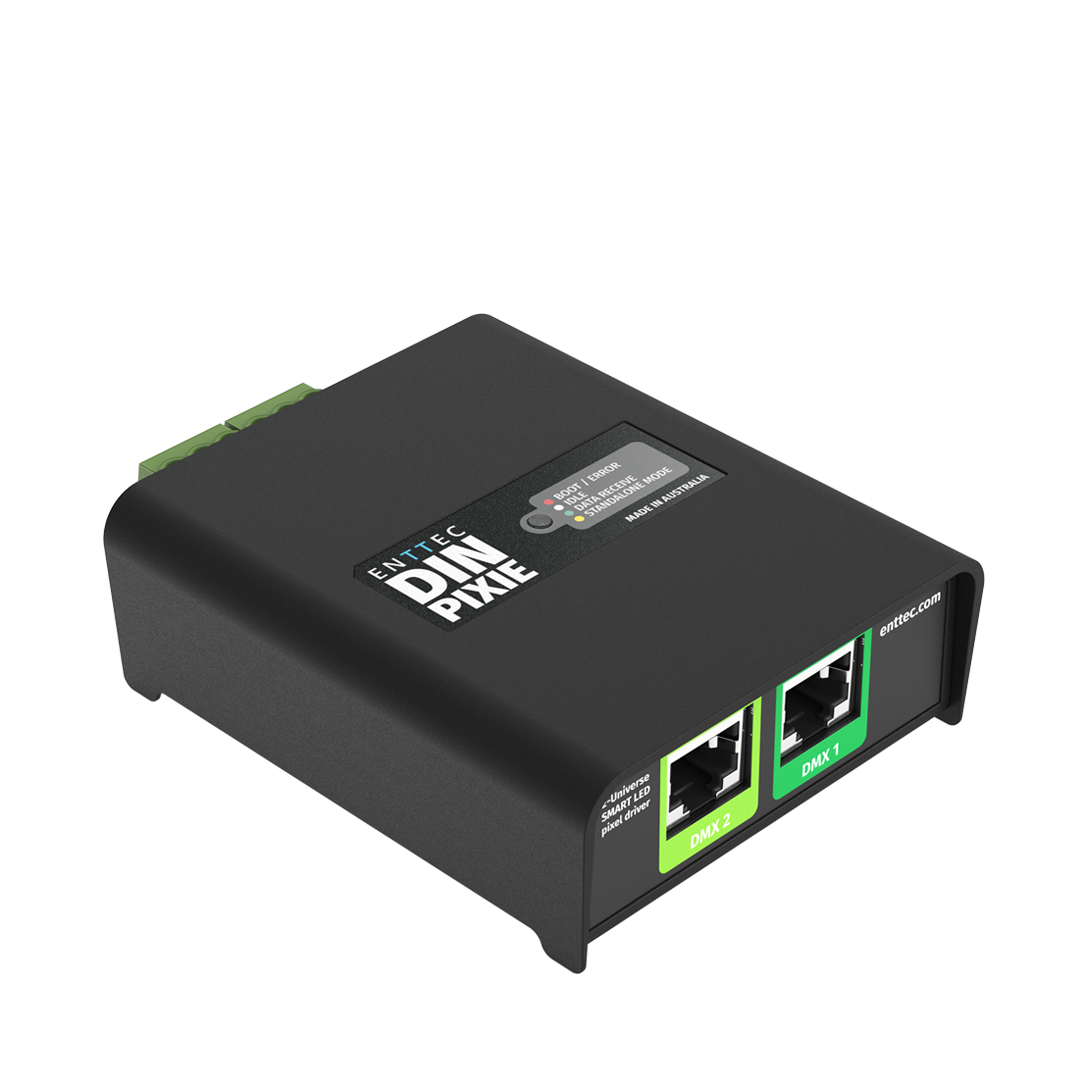
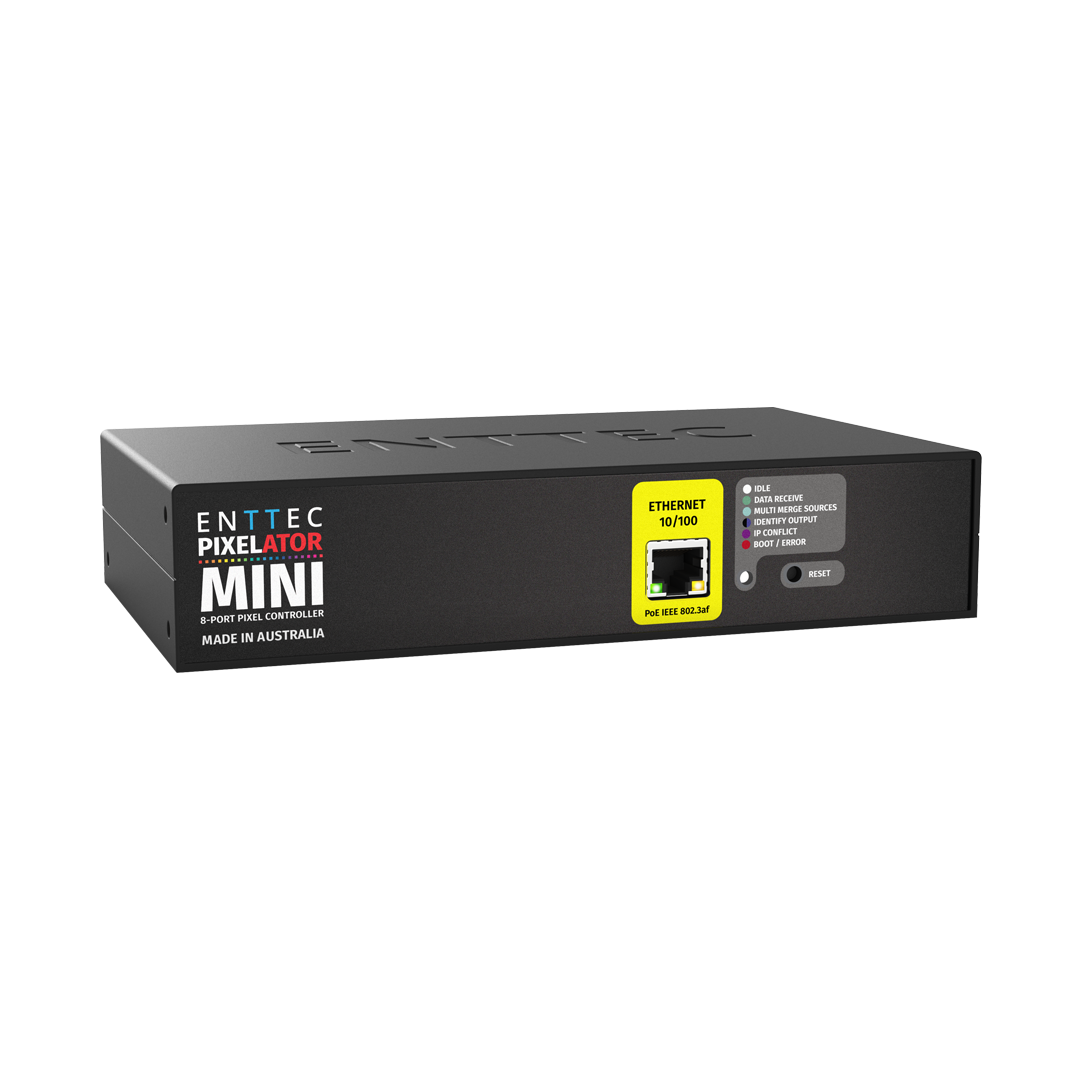
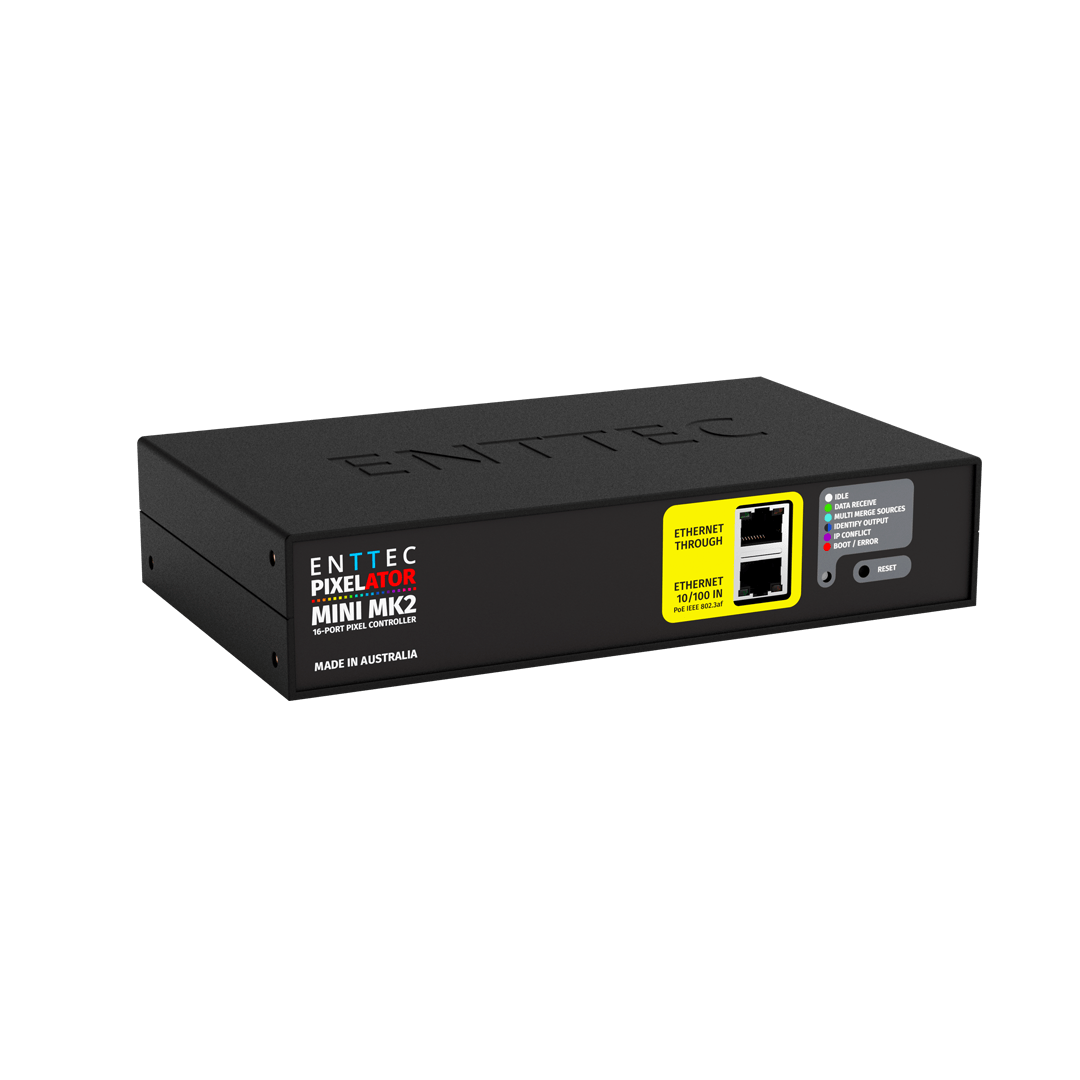
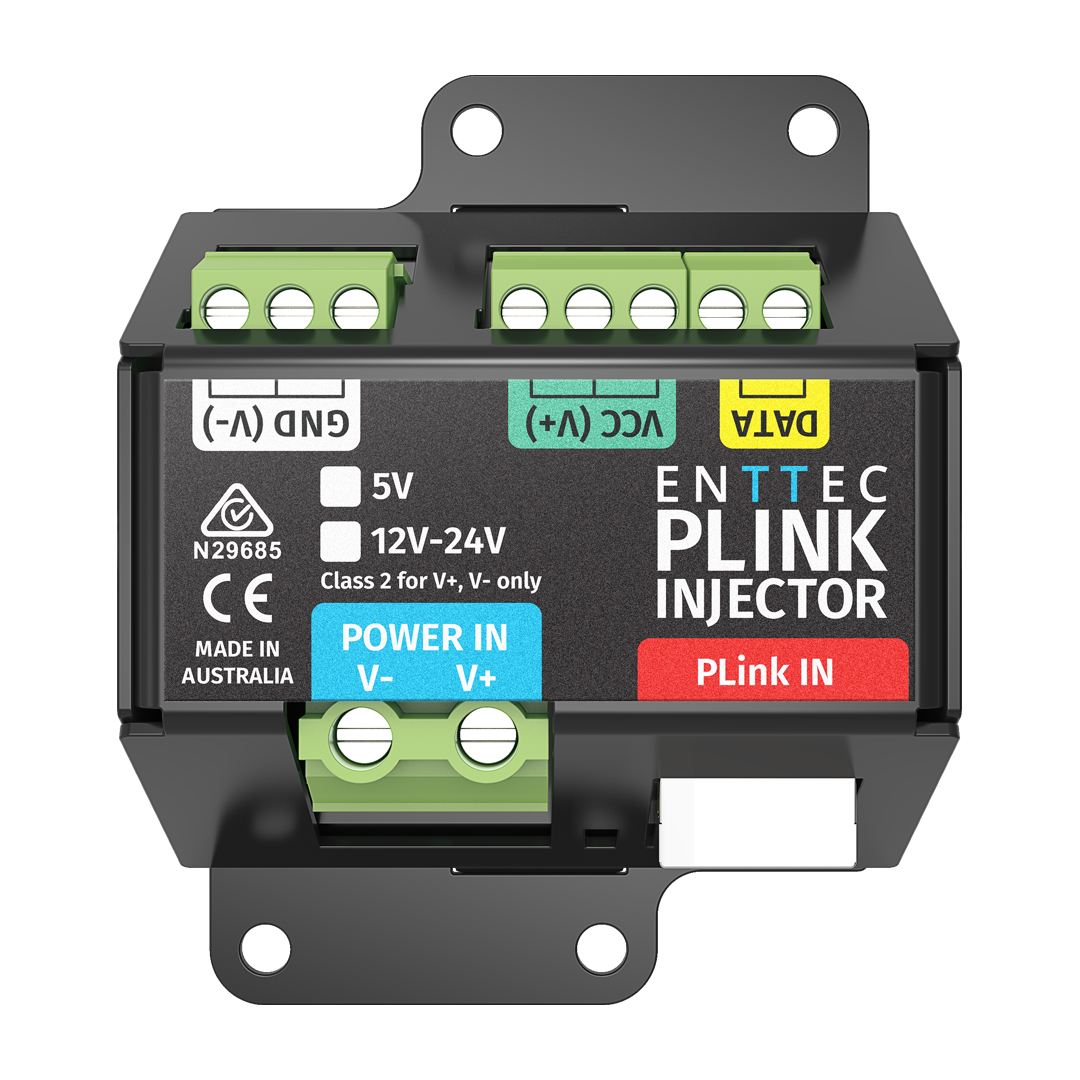
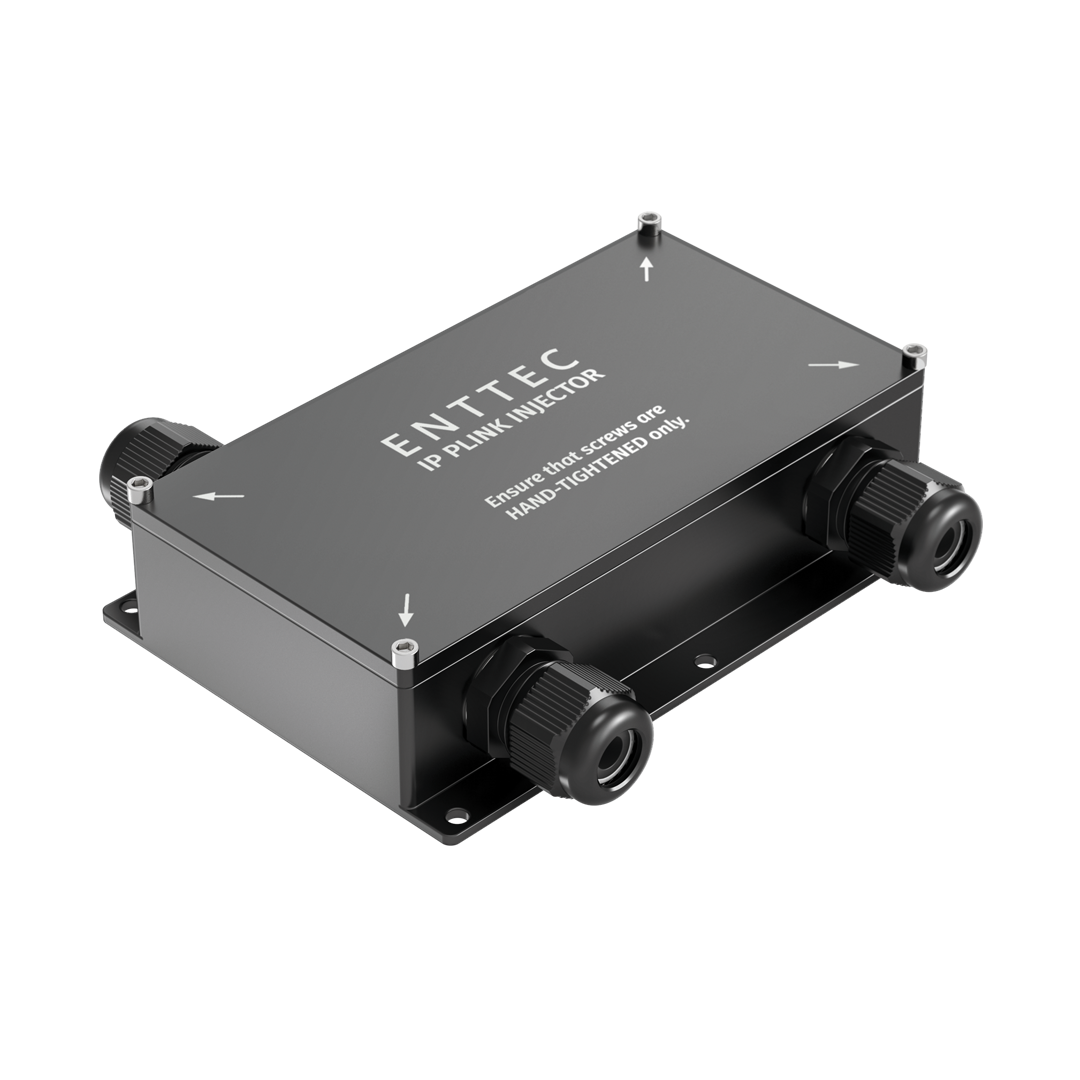
Mapping an installation? ELM, ENTTEC's free LED pixel mapping software, drives the controllers above over Art-Net and sACN, from a single fixture to building-scale maps.
ENTTEC has been engineering lighting control in Australia since 1999, and shipping LED pixel controllers since the original Pixelator in 2014.