



HD107S Pixel Protocol
The HD107S is a two-wire clocked RGB pixel driver in an SMD5050 package, using separate data and clock lines for tightly timed 8-bit colour at 5V.
Specifications
| Specification | Detail |
|---|---|
| Clock Type | Clocked |
| Color Resolution | 8 Bits |
| Physical Package | SMD5050 with integrated LEDs |
| RGB | Yes |
| RGBW | No |
| Output Pixel Voltage | 5V |
| PWM Rate | 2600Hz |
| Suitable Camera | Up to 87fps |
| Redundant Data Line | No |
Strengths
- The separate clock line decouples data validity from bit-width tolerances, so the chain latches reliably at higher data rates and holds timing over longer runs better than self-clocked single-wire parts. This is the genuine advantage of a clocked protocol.
- Standard, easy-to-drive format: a 5V SMD5050 with integrated red, green and blue die and 8 bits per channel (24-bit RGB), giving 256 levels per colour.
- At 2600Hz the PWM is comfortably flicker-free for the rated camera use up to 87fps, which is the practical bar for on-camera work rather than chasing ever-higher refresh figures.
Limitations
- The clocked design is a real tradeoff, not a free win: the extra clock conductor adds wiring and cost and another point of failure, and a high-frequency clock line radiates EMI that can cause interference in sensitive installations. The wider market is trending toward data-only single-wire chips to avoid both, so the timing-tolerance benefit should be weighed against that overhead.
- 8 bits per channel (256 levels) can show visible steps in slow, low-level fades and subtle gradients compared with higher-bit-depth drivers.
- No redundant data line: a single failed pixel or broken joint interrupts every pixel downstream of the fault.
- RGB only with no dedicated white channel, so pastels and tunable-white looks have to be mixed from the three primaries.
Overview
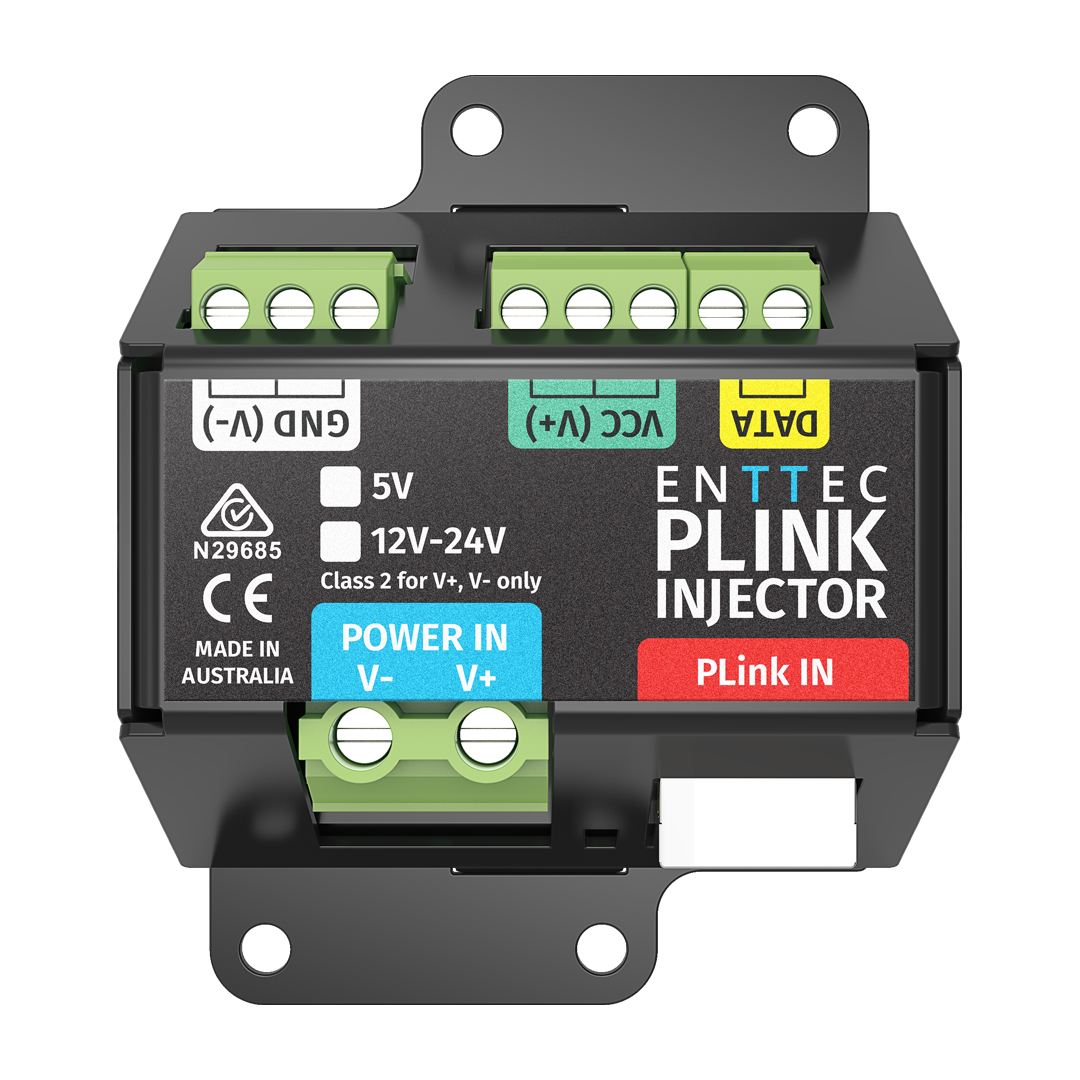
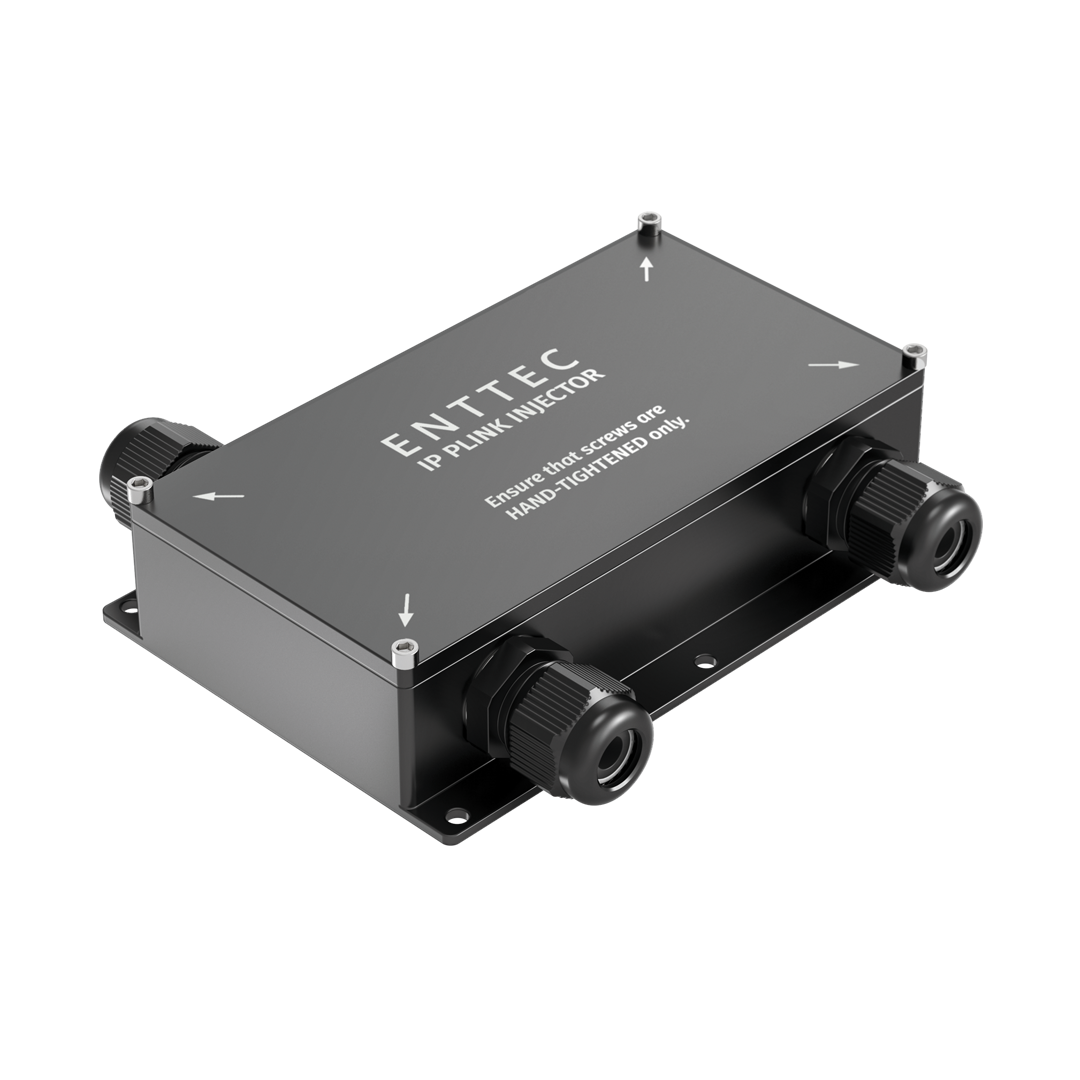
The HD107S is a clocked, two-wire RGB pixel driver: a dedicated clock line runs alongside the data line, so each bit is latched by a clock edge rather than by self-timed pulse widths. It sits in an SMD5050 package with integrated RGB die, runs at 5V, and resolves 8 bits per channel (24-bit colour). Its 2600Hz PWM stays comfortably flicker-free for camera work up to 87fps, and it carries no redundant data line. ENTTEC pixel controllers (OCTO 71521, PIXELATOR MINI / MK2 70067/70068, DIN PIXIE 73539, PLINK Injectors) drive a wide range of pixel protocols; contact ENTTEC about chips not listed.
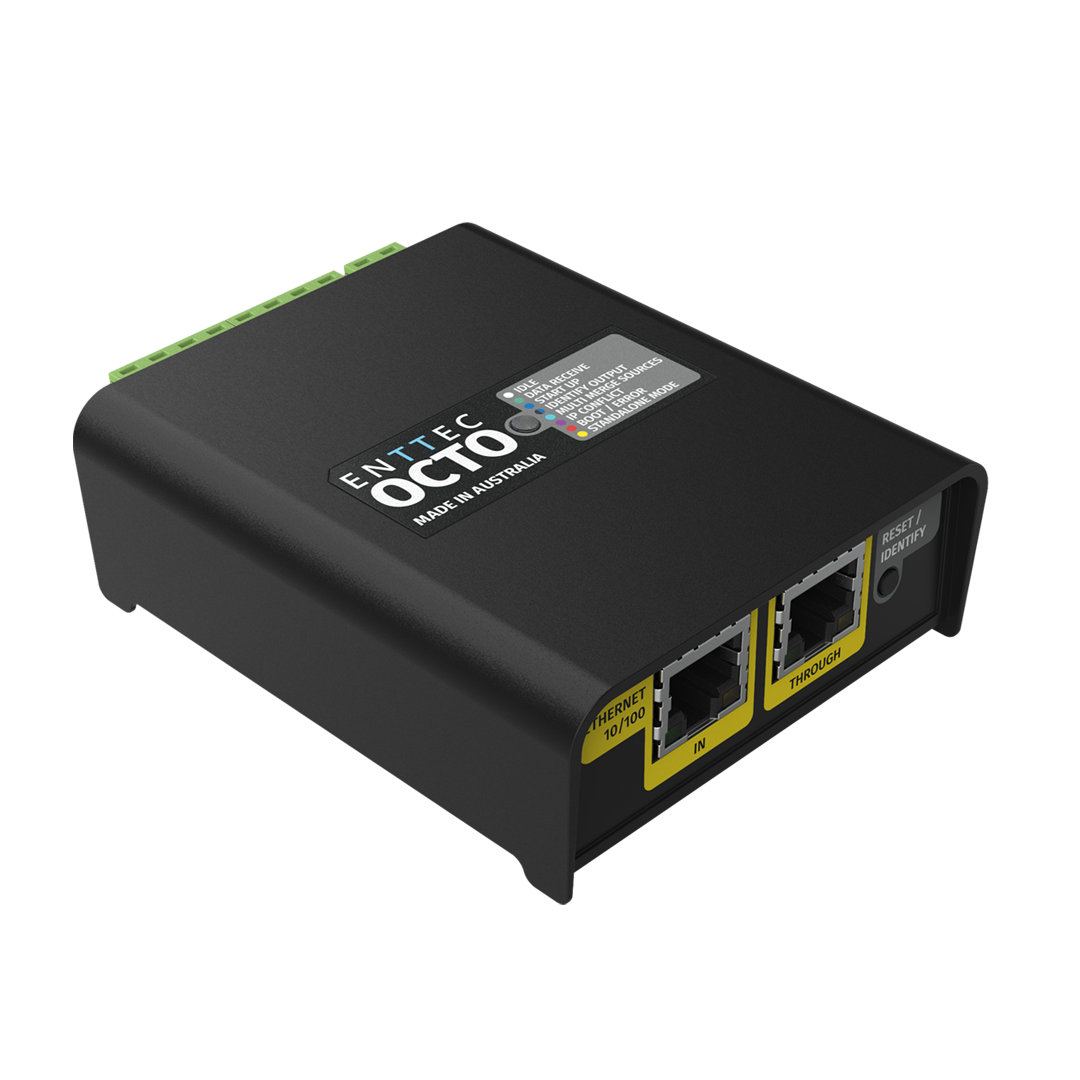
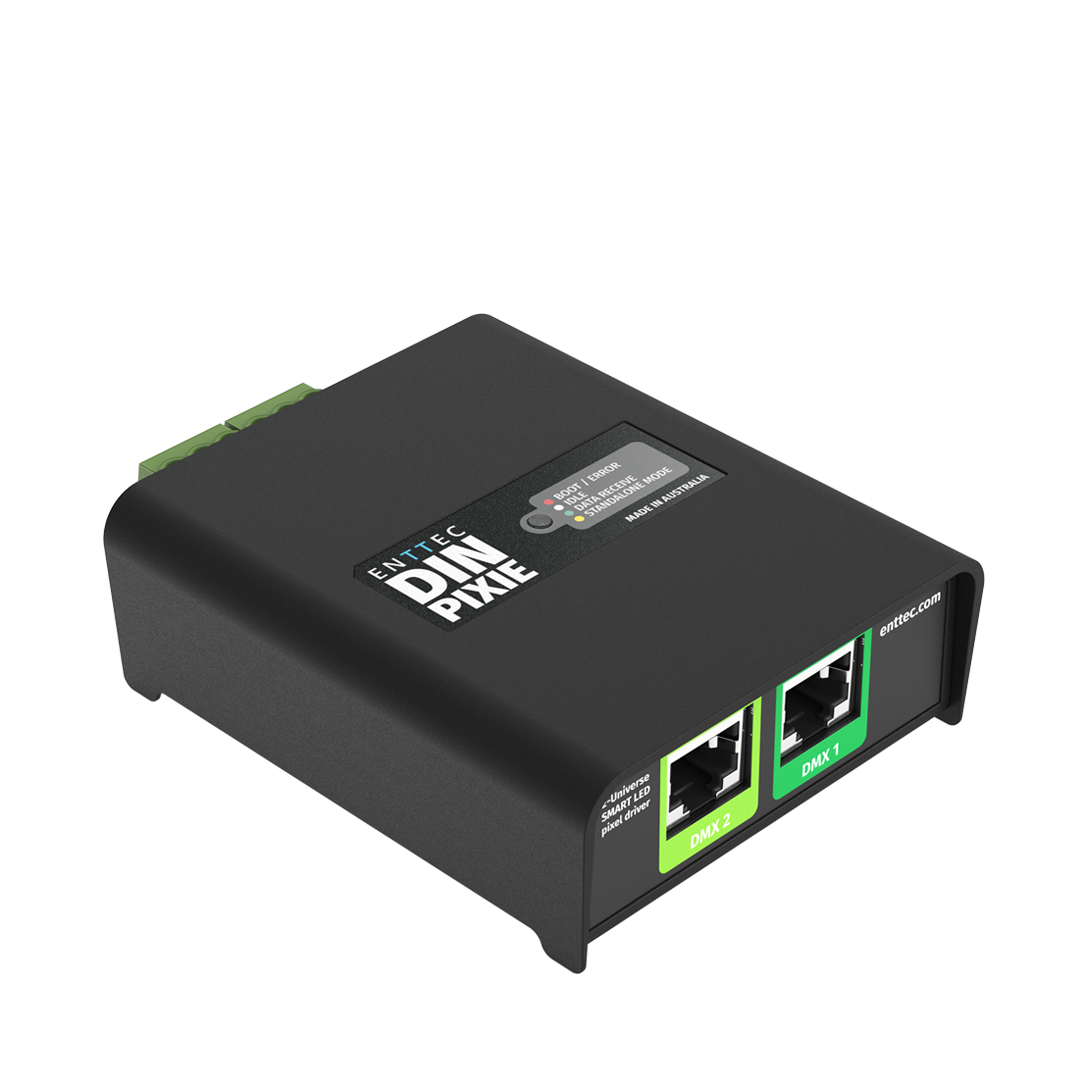
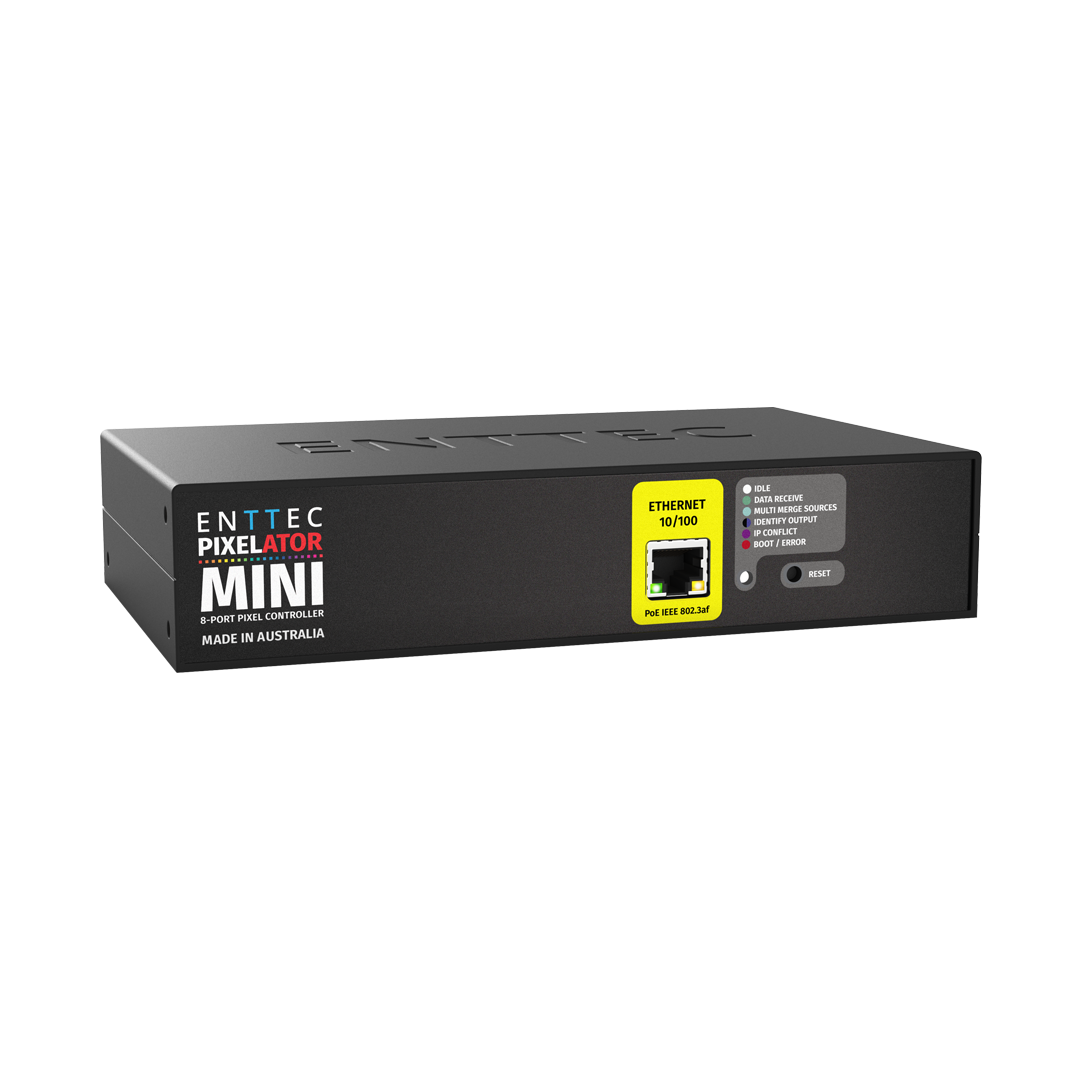
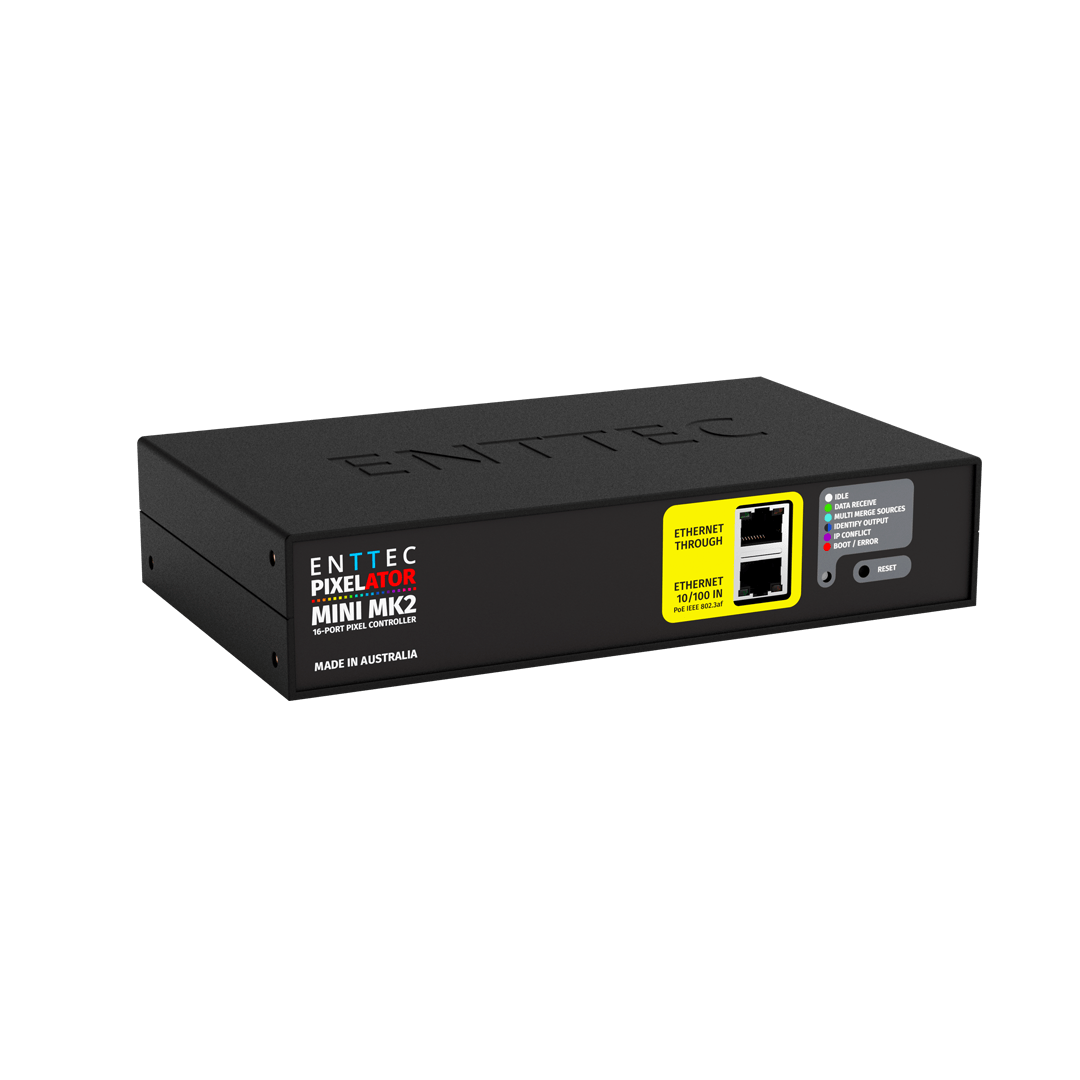
Mapping an installation? ELM, ENTTEC's free LED pixel mapping software, drives the controllers above over Art-Net and sACN, from a single fixture to building-scale maps.
ENTTEC has been engineering lighting control in Australia since 1999, and shipping LED pixel controllers since the original Pixelator in 2014.